Federal Work-Study 2026: A Student’s Guide
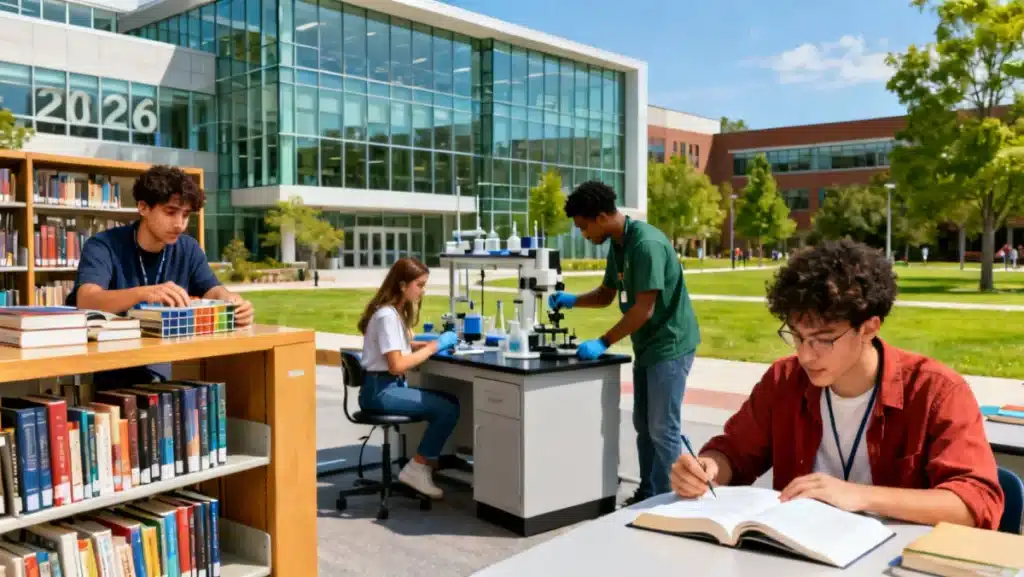
Anúncios
Federal Work-Study Programs in 2026 offer college students vital financial support by providing part-time jobs, enabling them to earn money for educational expenses while gaining valuable work experience.
Navigating the costs of higher education can be daunting, but financial aid programs like the Federal Work-Study can make a significant difference. This comprehensive guide is designed to help college students understand and effectively utilize Federal Work-Study Programs in 2026, offering a clear path to financial support and valuable professional development.
Understanding Federal Work-Study: What It Is and How It Works
Federal Work-Study (FWS) is a federal financial aid program that provides part-time jobs for undergraduate and graduate students with financial need, allowing them to earn money to help pay for educational expenses. Unlike loans, this money does not need to be repaid, making it an attractive option for many students.
Anúncios
The program encourages community service work and work related to the student’s course of study, promoting both civic engagement and career development. Eligibility is determined by your Free Application for Federal Student Aid (FAFSA) and your school’s financial aid office, based on your demonstrated financial need.
Eligibility Requirements for FWS in 2026
To qualify for Federal Work-Study in 2026, several criteria must be met. These are largely consistent with previous years but it’s always wise to check for any updates from the Department of Education.
- Demonstrated financial need as determined by your FAFSA.
- Enrollment in an eligible degree or certificate program at a participating institution.
- Maintenance of satisfactory academic progress according to your school’s policies.
- U.S. citizenship or eligible non-citizen status.
It is crucial to complete your FAFSA as early as possible each year. Federal Work-Study funds are limited, and schools often award them on a first-come, first-served basis. Missing deadlines could mean missing out on this valuable opportunity.
Once awarded FWS, your school will inform you of the maximum amount you can earn. This amount is not typically paid directly to you as a lump sum; instead, you earn it through your work, usually paid bi-weekly or monthly, similar to a regular paycheck. This structure helps students manage their finances throughout the academic year.
The Application Process: Securing Your FWS Award
Applying for Federal Work-Study is integrated into the broader financial aid application process. Understanding each step ensures you maximize your chances of receiving an award.
The initial and most critical step is completing the FAFSA. This form collects your financial information to determine your Expected Family Contribution (EFC) and, subsequently, your financial need. Be meticulous with your FAFSA, as errors can delay your application or affect your eligibility.
Key Steps to Apply for FWS
After submitting your FAFSA, your school’s financial aid office will review your application and determine if you qualify for FWS. If you are offered FWS, it will be included in your financial aid award letter.
- Complete the FAFSA promptly each year.
- Review your financial aid award letter carefully for an FWS offer.
- Accept the FWS award if you wish to participate.
- Contact your school’s financial aid office if you have questions or haven’t received an offer but believe you qualify.
Accepting the award doesn’t automatically mean you have a job. It means you are eligible to seek and secure an FWS-eligible position. Your school will have resources, often through a career services or financial aid office, to help you find suitable employment. These resources can include job boards, workshops, and one-on-one counseling.
It’s important to understand that the FWS award is the maximum you can earn. You are paid for hours worked, and your earnings cannot exceed the total award amount. If you reach your maximum earnings before the end of the academic year, you will no longer be paid through the FWS program for that year, though some schools may allow you to continue in an unpaid capacity or find alternative employment.
Finding the Right Work-Study Job: On-Campus and Off-Campus Opportunities
One of the most appealing aspects of Federal Work-Study is the variety of available positions. These jobs are often flexible, accommodating a student’s academic schedule, and can provide valuable experience.
Many FWS jobs are located on campus, within departments like the library, administrative offices, academic departments, or recreational facilities. These roles are convenient and often foster a strong connection to the university community. Off-campus opportunities are also common, particularly with non-profit organizations or public agencies, often focusing on community service.
Types of FWS Positions
The range of FWS jobs is broad, catering to various interests and skill sets. Students can find positions that align with their major, offering practical experience that complements their studies.
- Administrative Assistant: Working in departmental offices, handling paperwork, answering phones, or managing schedules.
- Library Assistant: Shelving books, assisting patrons, or helping with research tasks.
- Tutor: Providing academic support to other students, often in subjects where you excel.
- Lab Assistant: Assisting professors or researchers in laboratories, gaining hands-on scientific experience.
- Community Service Roles: Working with local non-profits, schools, or government agencies on projects that benefit the community.
When searching for a job, consider roles that offer skill development relevant to your career aspirations. An FWS position can be more than just a paycheck; it can be a stepping stone to future employment. Many universities have dedicated FWS job boards or career services staff who specialize in connecting students with appropriate positions. Don’t hesitate to utilize these resources, as they can significantly streamline your job search.
Networking during your FWS employment can also be highly beneficial. Building relationships with supervisors and colleagues can lead to mentorship opportunities, letters of recommendation, and future job prospects. Treating your work-study job with the same professionalism as any other employment is key to maximizing these benefits.
Maximizing Your Work-Study Benefits: Beyond the Paycheck
While the financial assistance is a primary benefit, Federal Work-Study offers much more than just a paycheck. It provides invaluable opportunities for personal and professional growth that can significantly enhance your college experience and future career prospects.
The experience gained through FWS jobs is often directly applicable to your academic field or provides transferable skills highly valued by employers. Whether it’s developing communication skills in a student-facing role or honing research abilities as a lab assistant, these experiences build your resume and prepare you for the workforce.

Developing Key Skills and Networking
FWS positions can help you develop a wide range of soft and hard skills that are critical in any profession. These include time management, problem-solving, teamwork, and communication.
- Professional Experience: Gain real-world work experience, often in a field related to your major.
- Skill Development: Enhance transferable skills such as communication, organization, and problem-solving.
- Networking Opportunities: Connect with faculty, staff, and community members who can offer mentorship and future career leads.
- Improved Academic Performance: Studies suggest that students engaged in work-study often have better academic outcomes due to improved time management and a sense of responsibility.
Furthermore, many FWS jobs offer a supportive environment where supervisors understand the demands of being a student. This flexibility can be crucial for balancing academic responsibilities with work commitments. It’s an opportunity to learn how to manage multiple priorities effectively, a skill that will serve you well beyond college.
Actively seeking feedback from your supervisor and engaging in professional development opportunities offered by your school can further enhance the benefits of your FWS experience. Treat your work-study position as a genuine career opportunity, and you will reap rewards far beyond the immediate financial gain.
Managing Your Work-Study Earnings and Hours
Effectively managing your FWS earnings and hours is essential to ensure you meet your financial needs without overworking or exceeding your award limit. It requires careful planning and communication with your employer and financial aid office.
Your school’s financial aid office will typically inform you of your total FWS award amount for the academic year. It’s your responsibility to monitor your hours and earnings to stay within this limit. Most FWS jobs have an hourly wage, and your paychecks will reflect the hours you’ve worked.
Tips for Financial and Time Management
Balancing work, studies, and personal life can be challenging. Here are some strategies to help you manage your FWS commitment effectively.
- Track Your Earnings: Keep a record of your hours worked and the amount you’ve earned to ensure you don’t exceed your award.
- Budgeting: Create a budget for your FWS earnings to cover essential expenses like textbooks, transportation, or personal costs.
- Communicate with Your Supervisor: Discuss your academic schedule and any changes that might affect your availability. Most FWS supervisors are understanding and flexible.
- Prioritize Academics: Remember that your primary role is that of a student. Your FWS job should complement, not detract from, your studies.
If you find yourself nearing your maximum earnings too quickly, you might need to adjust your work hours or discuss options with your financial aid office. Sometimes, schools may have alternative funding sources or allow you to continue working in a non-FWS capacity if the department has sufficient funds. Proactive communication is always the best approach.
Understanding your pay schedule and how your earnings are disbursed is also important. Some schools may offer direct deposit, making it easier to manage your funds. Utilize any financial literacy resources offered by your university to help you make informed decisions about your earnings.
The Future of Federal Work-Study in 2026 and Beyond
As we look towards 2026, the Federal Work-Study program continues to be a cornerstone of financial aid for many students. While the core principles remain consistent, it’s always important to stay informed about potential legislative changes or program enhancements that could impact eligibility or funding.
The Department of Education periodically reviews and adjusts financial aid policies, often in response to economic conditions, educational priorities, and student needs. Staying updated through official government websites and your school’s financial aid office is crucial.
Anticipated Trends and Potential Changes
While specific changes are difficult to predict, several trends might influence the FWS program in the coming years. These often revolve around increasing accessibility and aligning work opportunities with in-demand skills.
- Increased Emphasis on Skills Alignment: A greater push to connect FWS jobs with high-demand career fields, providing students with more marketable skills upon graduation.
- Technological Integration: Potential for more remote or hybrid FWS positions, reflecting broader workplace trends and offering greater flexibility.
- Streamlined Application Processes: Ongoing efforts to simplify the FAFSA and other financial aid applications, making it easier for students to access aid.
- Expanded Community Service Focus: Continued or increased encouragement for FWS positions to involve community engagement and public service.
Students should remain proactive in checking for updates from their school’s financial aid department and the official Federal Student Aid website. These resources will provide the most accurate and timely information regarding any changes to the Federal Work-Study program in 2026. Engaging with student advocacy groups or campus financial aid advisors can also provide valuable insights and support.
Ultimately, Federal Work-Study is a dynamic program designed to support students. By understanding its mechanisms and staying informed, you can effectively leverage it to fund your education and build a strong foundation for your future career.
| Key Aspect | Brief Description |
|---|---|
| Eligibility | Based on FAFSA-determined financial need, enrollment, and satisfactory academic progress. |
| Application | Complete the FAFSA early; accept award via school’s financial aid office. |
| Job Types | On-campus (library, offices) and off-campus (community service) roles available. |
| Benefits | Financial aid, work experience, skill development, and networking opportunities. |
Frequently Asked Questions About Federal Work-Study in 2026
The crucial first step is to complete and submit your Free Application for Federal Student Aid (FAFSA) as early as possible. This form determines your financial need, which is a primary requirement for FWS eligibility. Ensure all information is accurate to avoid delays in processing your application for aid.
You typically choose your FWS job from available positions advertised by your school. The financial aid or career services office often provides a list of eligible on-campus and off-campus roles. This allows you to select a job that aligns with your interests, major, or career goals, offering valuable experience.
FWS earnings are paid directly to you for the hours you work, usually through a bi-weekly or monthly paycheck. The money is not applied directly to your tuition bill unless you specifically authorize it. This provides flexibility for students to use their earnings for various educational or personal expenses.
You cannot earn more than your awarded Federal Work-Study amount. Once you reach your maximum earnings, you will no longer be paid through the FWS program for that academic year. It’s essential to monitor your hours and earnings with your supervisor to avoid exceeding this limit prematurely.
Yes, many Federal Work-Study programs emphasize community service. Students can often find FWS positions with non-profit organizations or public agencies, working on projects that benefit the wider community. These roles offer valuable civic engagement opportunities while contributing to your educational expenses.
Conclusion
Federal Work-Study Programs in 2026 continue to be a vital resource for college students navigating the financial landscape of higher education. By understanding the eligibility criteria, diligently completing the FAFSA, and actively seeking out suitable positions, students can not only alleviate financial burdens but also gain invaluable work experience and develop critical professional skills. The program offers a unique blend of financial support and career development, making it an indispensable tool for achieving academic and professional success. Proactive engagement and careful management of your FWS award will ensure you maximize its myriad benefits throughout your college journey and beyond.
Related Posts: